HEMS: The Home Energy Management System with LOXONE
More of your electricity. Lower bills. No hassle.

Here’s What LOXONE Energy Management Can Do for Your Home:

Increase self-consumption – use more of your own electricity.

Lower your electricity costs – charge and heat your home economically, automatically.

One system for everything – solar panels, storage, a wallbox, and a heat pump
The sun is shining – the battery is charging. The price of electricity is dropping – the heat pump is preheating. You don’t have to do a thing. LOXONE Energy Management optimizes everything automatically – around the clock.
What LOXONE Can Do as a HEMS

Storing Excess Solar Power
The wallbox and battery are automatically charged when the sun is shining.
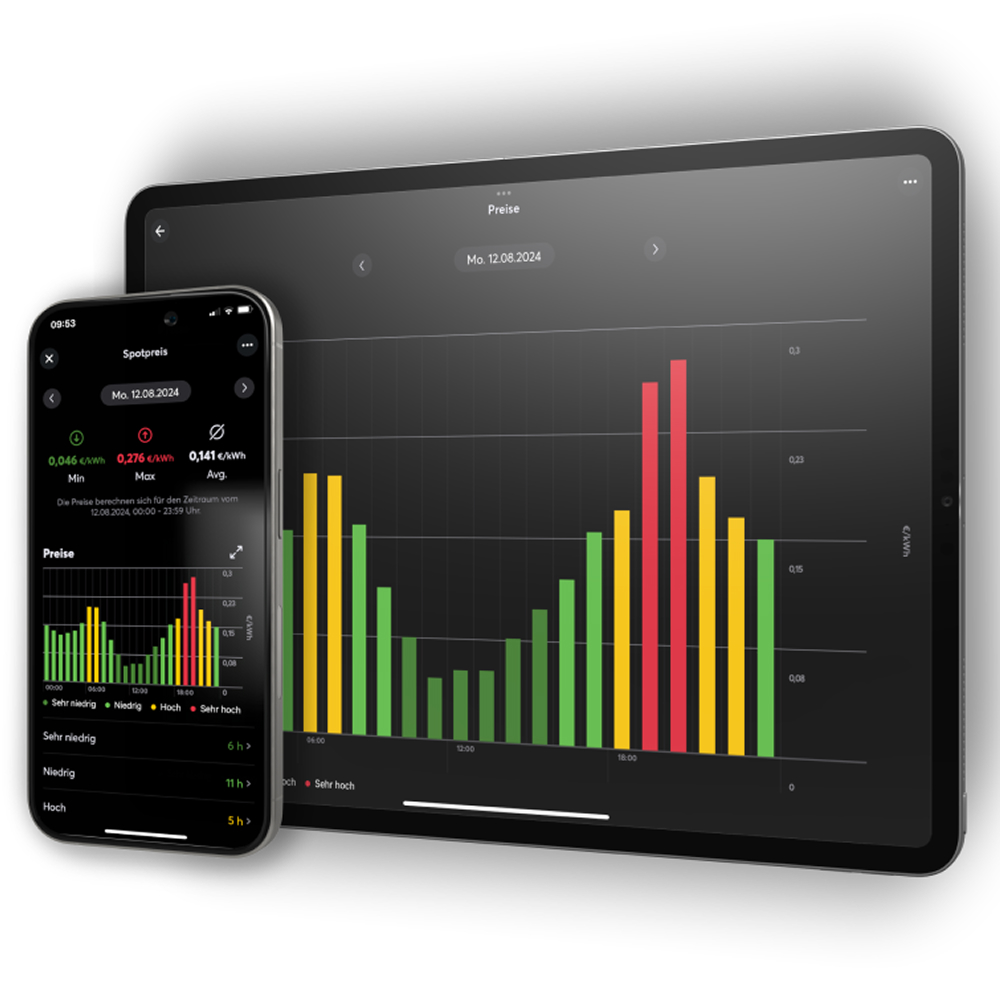
Spot Price Optimizer
The cheapest hours on the market are automatically used for controllable appliances. Learn more here about how to save money with dynamic electricity prices.
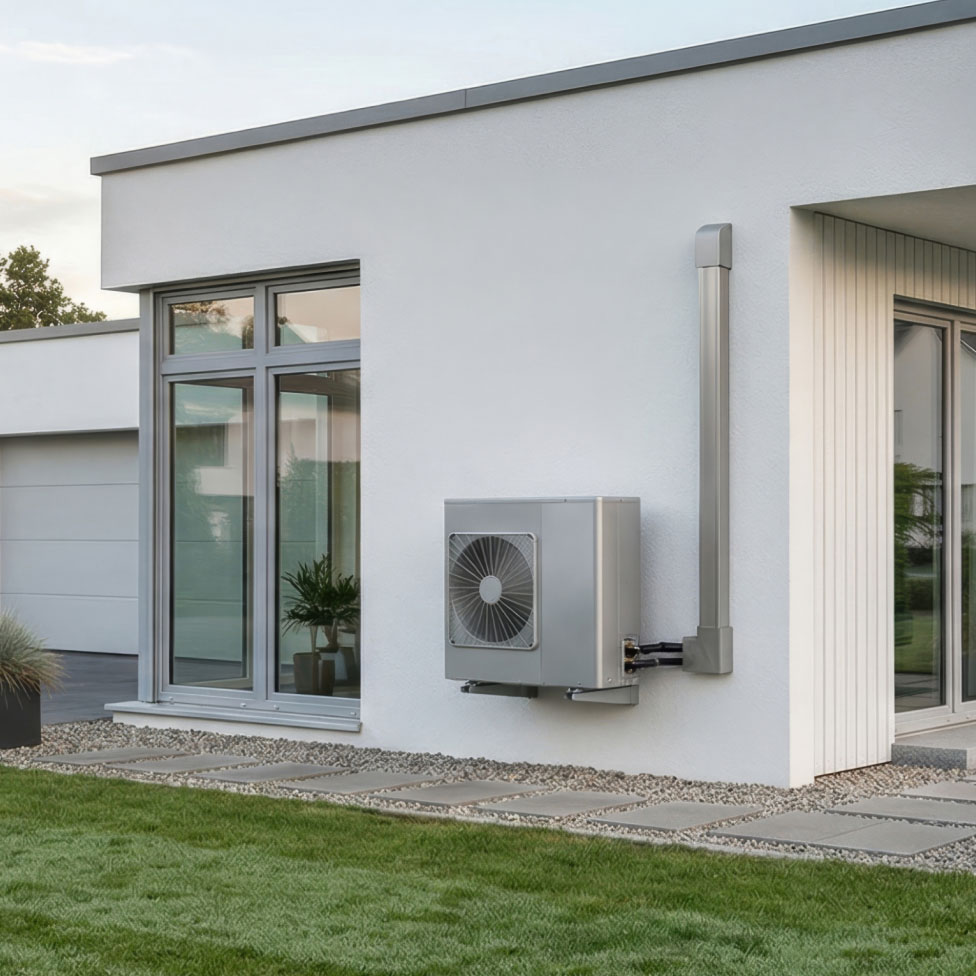
Heat Pump Control
The buffer storage system charges when there is excess PV power or when electricity prices are low.
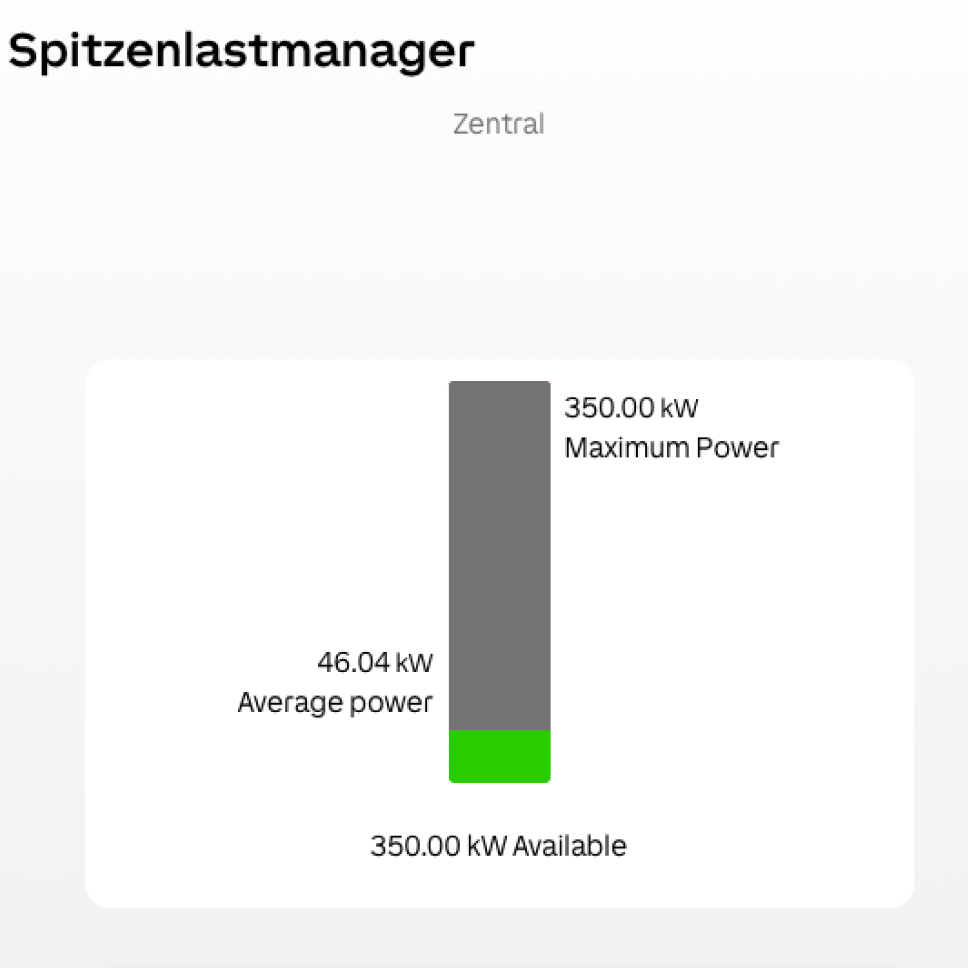
Peak Load Management
Multiple large consumers are coordinated to avoid grid peaks, which can lead to higher grid fees.
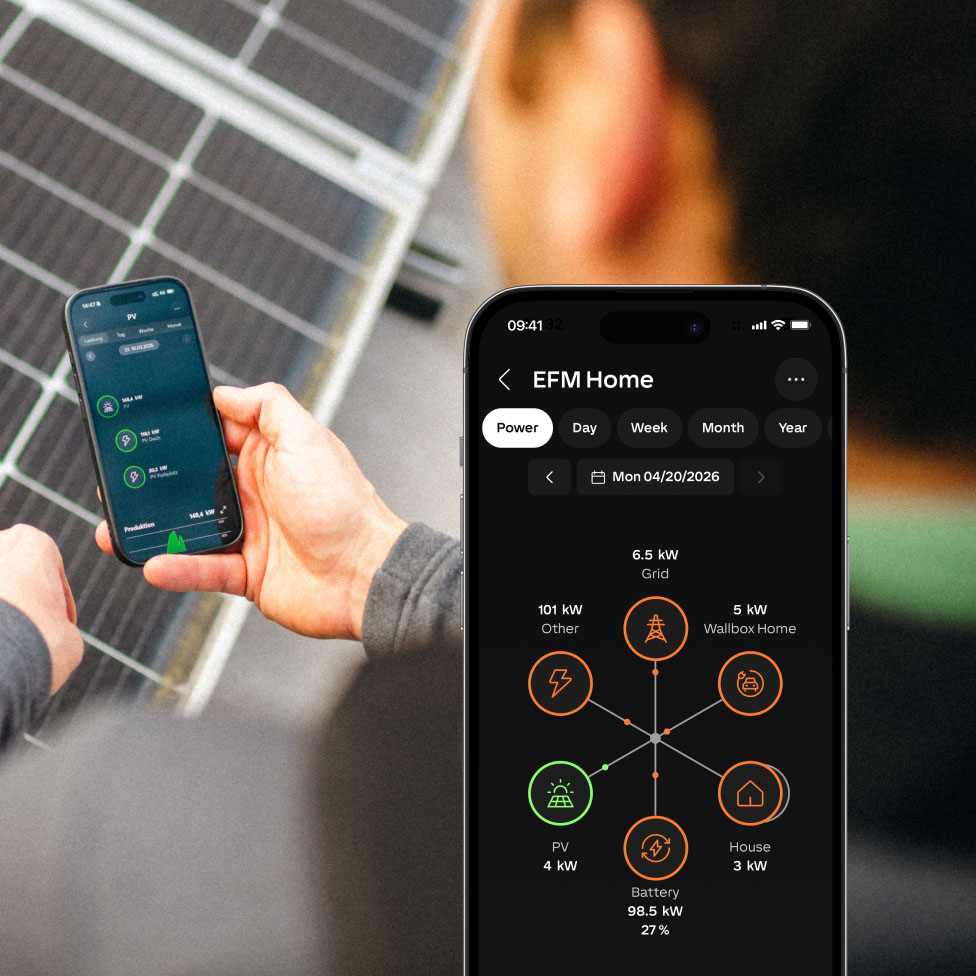
Energy Flow Monitor
In the LOXONE App, you can see at any time how your home is using energy: what it produces, consumes, and stores; what it draws from the grid; and the costs saved – both in real time and historically.

Proactive Management
LOXONE uses weather forecasts to proactively control the heat pump and storage tank. If the sun is expected to shine tomorrow, the storage tank will charge less today. This also applies in winter – even then, a PV system still delivers 20–30% of its annual output. How LOXONE gets the most out of your PV system in winter.

More than Energy Managment
The blinds lower before the house overheats. The heating turns off when someone opens a window. LOXONE saves energy not only through optimization – but because the entire house thinks for itself.
What Others Have Already Done
Energy Managment & Renovation
Over 70% self-consumption rate, approximately €6,000 in annual savings.
*Content only available in German
LOXONE HEMS: Hardware and Software for Increased Self-Consumption and Lower Electricity Costs
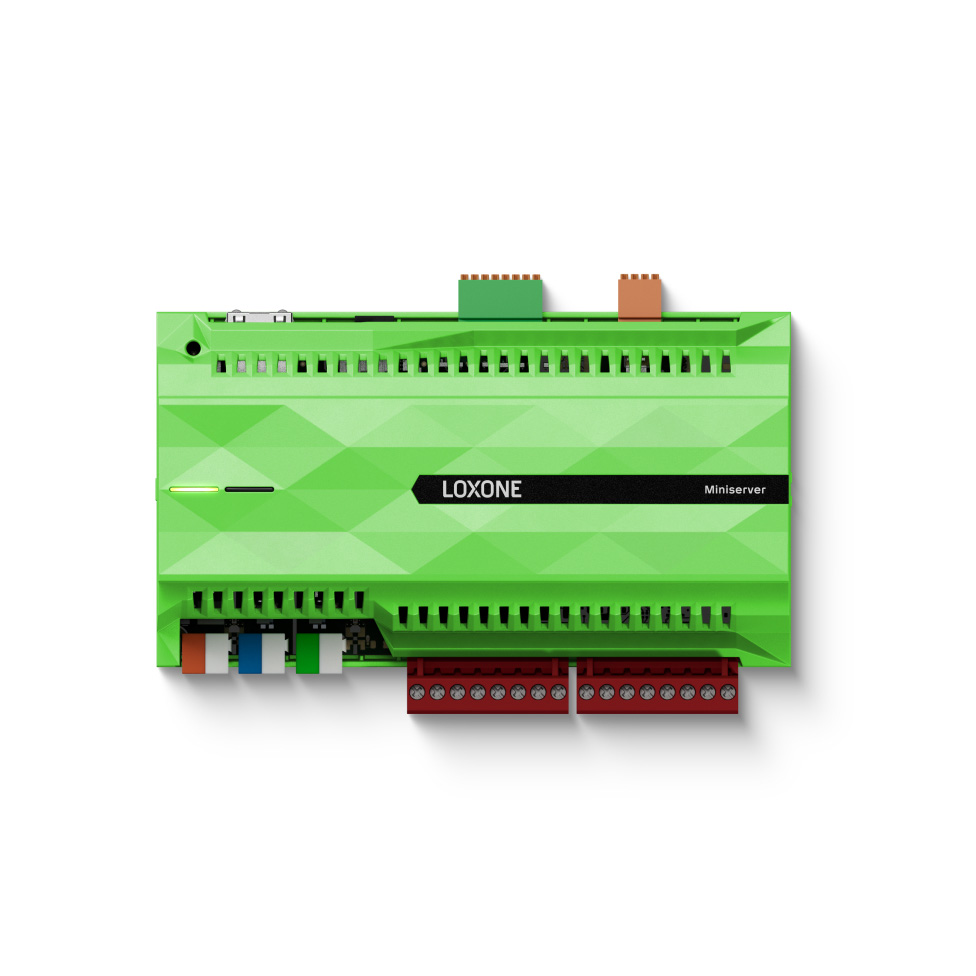
Miniserver
The building’s control center: Automatically switches on the wallbox, heat pump, storage unit, and other devices based on your priorities when there’s excess PV power.
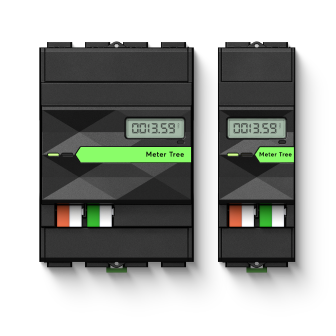
Energy Meter
It tracks all energy flows in the home in real time and provides the Miniserver with the data needed for automatic optimization.
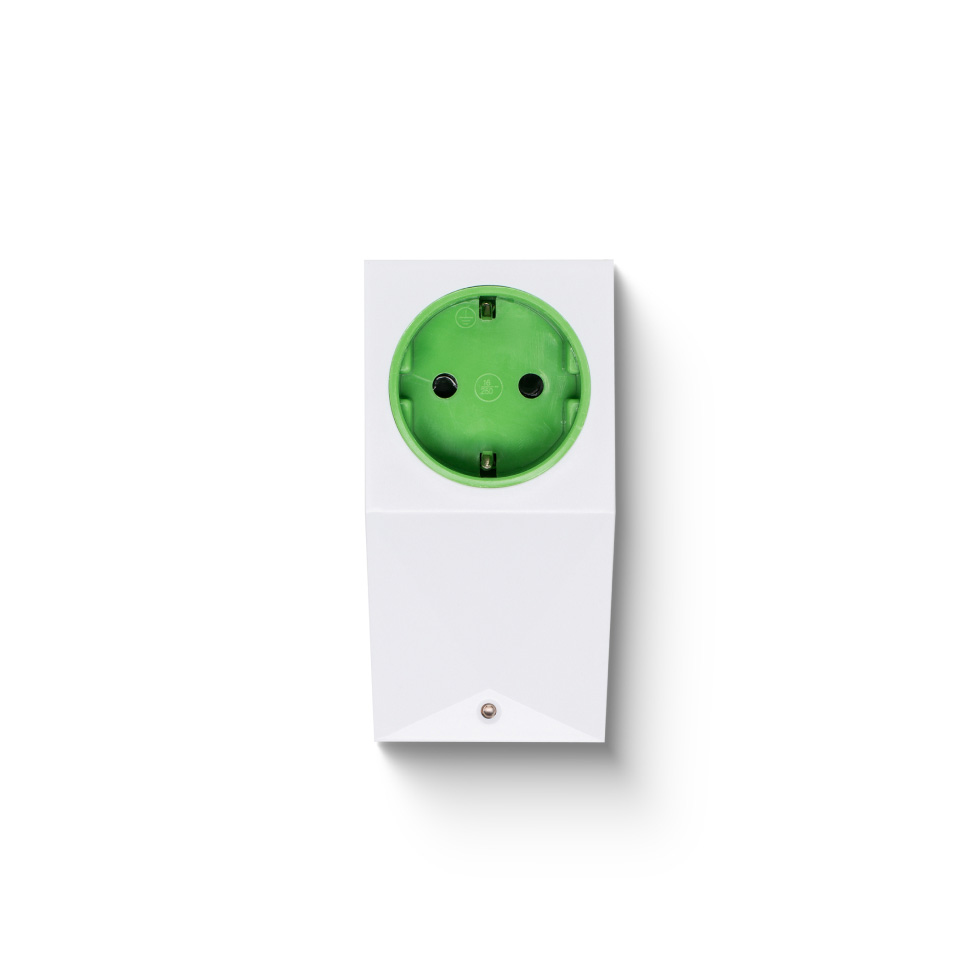
Smart Socket
Measures the energy consumption of individual appliances and makes optimal use of excess solar power: The washing machine, dishwasher, or e-bike turn on automatically when the sun is shining.
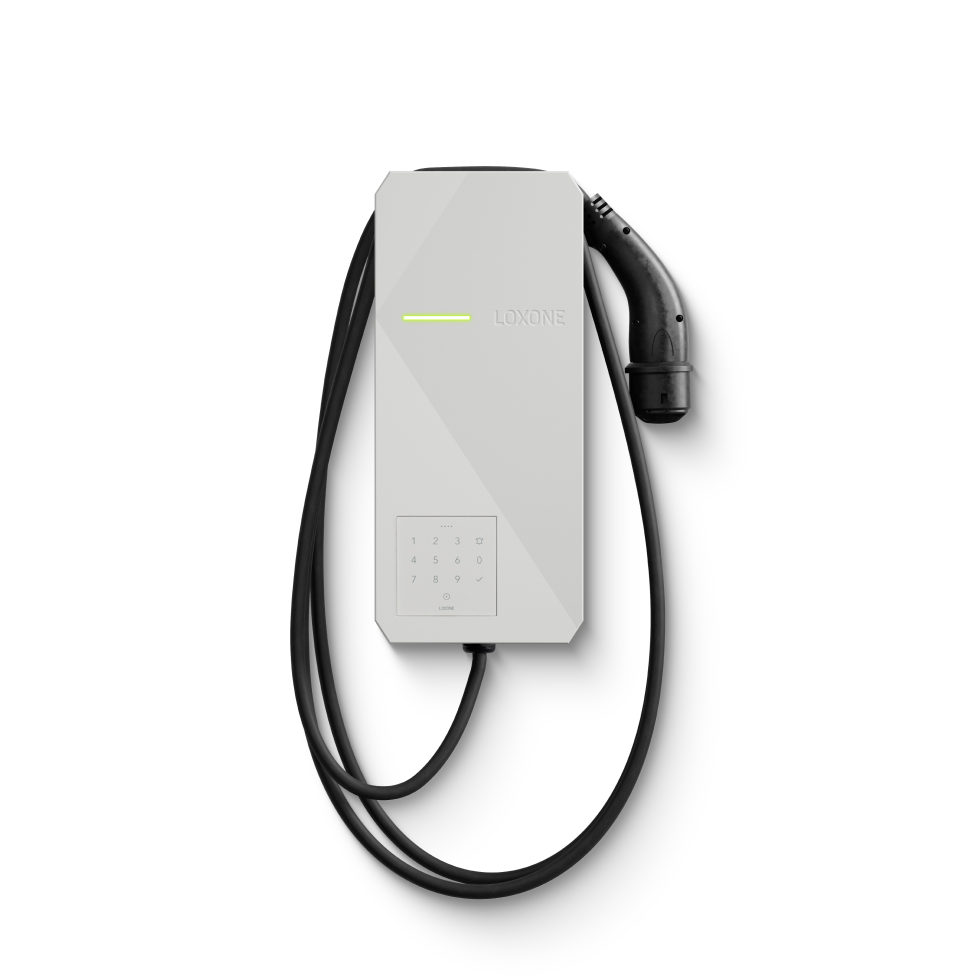
Wallbox
Charge when it makes sense: The electric car charges automatically using excess solar power. The Miniserver dynamically adjusts the charging power to match the available solar energy.

Interfaces with Major Manufacturers
Manufacturer-independent & open: LOXONE seamlessly integrates existing or new inverters (e.g., Fronius, SMA, Huawei), storage systems, heat pumps, and wallboxes.
Everything Is Connected
At LOXONE, energy management isn’t a standalone feature – it’s part of an integrated system. The heat pump knows the expected PV output for the next few hours and can adjust its operation accordingly. The shades lower when it gets warm, simultaneously reducing the need for cooling. The lights turn off when no one is in the room. Everything is interconnected.
FAQs
What is a HEMS, and do I really need one?
A home energy management system is the control center that directs the electricity you generate to where it’s most needed—automatically, without you having to intervene every day.
Is it worth it? A case study from Austria shows that a single-family home that was renovated and equipped with a brine heat pump, a 16 kWp PV system, and a LOXONE Miniserver saves around €6,000 per year. And if you add a battery storage system, you can use up to 70% of the electricity you generate yourself – instead of selling it back to the grid for a low feed-in tariff.
What should I look for when choosing a HEMS?
Not all HEMS systems are the same. These criteria will help you make a decision:
Manufacturer-neutrality – Does the system work with the devices you already have or plan to use? Or are you locked into a single brand? A manufacturer-neutral HEMS like LOXONE integrates inverters, storage systems, wallboxes, and heat pumps from different providers simultaneously.
Local control – Does the system run locally, or does it rely on the cloud? In the event of a cloud outage or internet problem, your home should still continue to be optimized.
Open Protocols – Does the system support common standards such as Modbus, OCPP, or EEBUS? This determines which devices can be integrated today and in the future.
Heat Pump Integration – Can the HEMS truly control the heat pump intelligently—that is, optimize cycling, proactively charge the buffer storage, and respond to excess PV power? Or does it just turn it on and off?
Connected building intelligence – Can the system think beyond just energy? Controlling shading, heating, lighting, and security together multiplies the benefits—and is something that specialized HEMS solutions cannot do.
I already have an energy app from my electricity provider - do I still need a HEMS?
Yes, because an app just shows you what’s happening. LOXONE takes action. When the sun is shining, the wallbox charges. When the electricity price drops, the heat pump kicks in. When the battery is full, the car stops charging. It’s all automatic – you don’t have to do a thing.
Is LOXONE energy management worth it even without a solar panel system?
Yes. Anyone using a dynamic electricity rate plan like Tibber can save money even without solar panels: LOXONE runs the heat pump when electricity is cheap – and automatically charges the electric car during the cheapest hours. According to an analysis by the Boston Consulting Group (2025), annual savings of €350-450 through dynamic rate optimization are already achievable today – for a single-family home with battery storage, a heat pump, and an electric car (average consumption: 17,000 kWh/year). If a PV system is added later, the system is already set up for it. You don’t have to reconfigure anything.
Do I need a battery storage system for LOXONE energy management?
No, LOXONE works even without a battery storage system and still optimizes the self-consumption of your PV system. The wallbox, heat pump, and household appliances are automatically turned on when the sun is shining.
But with a battery storage system, you can get much more out of it: You can consume up to 70% of the electricity you generate yourself, instead of feeding it back into the grid for a low feed-in tariff. The storage system charges during the day and releases the energy in the evening when you really need it. Find out here how you can lower your electricity costs with a battery storage system.
How much does LOXONE energy management cost to operate?
There are no license fees or subscription charges for LOXONE Energy Management. Many energy management solutions charge ongoing fees for their optimization features. With LOXONE, you pay a one-time fee for installation. There are no additional costs for the system’s ongoing operation.
Does this still work if the internet goes down?
Yes. All core functions – PV surplus charging, storage logic, and heat pump control – run locally on the Miniserver. No internet? No problem. Remote access and spot price data require a connection, but your home will continue to run.
With what devices is LOXONE compatible?
LOXONE is compatible with most systems currently available on the market: inverters from Fronius, SMA, Kostal, and Huawei; heat pumps via Modbus or network; wallboxes via OCPP; battery storage systems via Modbus; and air conditioning systems from Daikin, Mitsubishi, LG, Fujitsu, and others. You can find the complete and up-to-date compatibility list in the LOXONE Library.
What sets LOXONE apart from specialized HEMS such as evcc, Solar Manager, or 1KOMMA5°?
Specialized HEMS solutions such as evcc or Solar Manager focus on energy optimization. Even providers like 1KOMMA5°, despite offering their own hardware for PV, storage, and heat pumps, remain essentially HEMS solutions at their core. The difference: LOXONE controls the entire building simultaneously. Heat pump, shading, lighting, security, heating – all in one system, all coordinated with one another.
Example: When the sun is shining, the shading automatically lowers – which reduces the need for cooling. At the same time, the storage system charges. Meanwhile, the heat pump heats the buffer tank. No specialized HEMS can link these levels together – because it only understands energy, not the entire home.
Is a HEMS complicated to install? And who does the installation?
LOXONE is installed by certified partners – electricians and designers who know the system and set it up correctly. This isn’t a drawback, but a guarantee of quality: You get a system that’s professionally designed and maintained over the long term.
You don’t have to do anything yourself to set it up. And once it’s set up, everything runs automatically – but you can step in at any time using the LOXONE app: adjust priorities, change settings, and view energy flows. As much control as you want, with as little effort as possible.
How much can I really save through energy management, and what are realistic expectations?
That depends on the starting point. With a complete renovation, significant savings of around 80% on energy costs are possible.
Savings can be achieved even without a renovation: According to the Boston Consulting Group (2025), a single-family home equipped with battery storage, a heat pump, an electric car, and dynamic rate optimization can save around 20–30% on electricity costs.
What is a smart meter, and do I need one for LOXONE energy management?
A smart meter is a digital electricity meter that measures your consumption in real time and transmits this data electronically—unlike an analog meter, which is read only once a year.
You don’t need a smart meter for many LOXONE features. PV surplus charging, heat pump control, load management, and the visualization of energy flows in the app all work without one – LOXONE measures the relevant values directly via its own energy meters in your home.
A smart meter becomes a requirement as soon as you want to use dynamic electricity rates. Rates like Tibber or Awattar bill hourly based on the current electricity market price – for this, the meter must transmit consumption data to the energy provider every quarter-hour, which only a smart meter can do. No smart meter means no dynamic rate; no dynamic rate means no spot-price optimization via LOXONE.
In short: LOXONE already works without a smart meter – and is ready to harness its full potential as soon as one is installed.
What is Section 14a of the Energy Industry Act (EnWG)—and what do I need to do?
Since 2024, grid operators in Germany have been allowed to temporarily throttle controllable devices – wall boxes, heat pumps, and air conditioners rated at 4.2 kW or higher – during periods of grid overload. In return, grid operators receive reduced grid fees.
You don’t have to do a thing. LOXONE automatically receives the signal and adjusts accordingly – while also ensuring that other appliances compensate where possible.
What is spot price optimization and how can it benefit me?
Electricity doesn’t have a fixed price – it fluctuates hourly based on supply and demand on the electricity exchange. If you use a dynamic rate plan like Tibber or Awattar, you pay less during off-peak hours and more during peak hours.
The LOXONE Spot Price Optimizer takes advantage of exactly that: It automatically retrieves the current exchange prices and schedules appliance usage for the cheapest hours.
Does energy management make sense even in a rental apartment or a condominium?
Yes, to varying degrees depending on the situation. If you have a dynamic electricity rate plan, you can use the LOXONE Smart Socket to automatically schedule household appliances like washing machines or dishwashers to run during the cheapest hours—and save money without even thinking about it.
A balcony solar power system adds another layer: LOXONE detects your excess solar power and automatically adjusts appliance usage accordingly, rather than just reacting to the electricity rate. This way, you can achieve about 30–40% self-consumption even without a large rooftop system.
Ready to Really Make the Most of Your Electricity?
Our experts are happy to assist you – completely free of charge and with no obligation.

Free & with no obligation
Customized solutions
Firsthand expertise