Answering the Future Homes Standard.
To reach the minimum 75% energy reduction for all new homes the building envelope and the sustainable heat sources will only get you so far (65% of the way) the last 10% to get house builders over the line comes from smart control – allowing the systems to work together.
Clearing up the Future Homes Standard – FAQs:
The first one remains empty if 1. FAQs is closed.
Your content goes here. Edit or remove this text inline or in the module Content settings. You can also style every aspect of this content in the module Design settings and even apply custom CSS to this text in the module Advanced settings.
What is the Future Homes Standard?
The Future Homes Standard is the new energy performance standard for new homes in England, designed to make properties more efficient, lower carbon and ready for a decarbonised electricity grid. It updates Building Regulations covering energy efficiency, ventilation and overheating, with the aim that new homes emit at least 75% less carbon over their lifetime than homes built to 2013 standards. For developers and housebuilders, this means designing homes where heating, ventilation, solar, EV charging, shading and energy management work together as one efficient system. LOXONE can support this by intelligently connecting these technologies so the home performs as designed in day-to-day use.
When do the Future Homes Standard come into effect?
The Future Homes Standard is due to come into force in England on 24 March 2027 for non-higher-risk building work, with a 12-month transitional period running to 24 March 2028. For higher-risk buildings, the amended regulations are expected to apply from 24 September 2027 because of the longer building control process. Developers and housebuilders should treat the standard as a live design consideration now, as heating, ventilation, solar, shading, EV charging and energy management decisions made today may affect compliance, sales value and long-term performance. A connected automation system such as LOXONE can help these technologies operate efficiently as one coordinated home system.
What is the challenge faced for developers?
The main challenge for developers is that the Future Homes Standard requires new homes to achieve higher energy performance while still being practical to build, commission, sell and live in. This means coordinating low-carbon heating, ventilation, overheating control, solar PV, EV charging, energy monitoring and smart controls from the design stage, rather than treating them as separate systems. Poor integration can lead to higher costs, complex handover, underperforming homes and dissatisfied buyers. A whole-home automation platform such as LOXONE can help bring these technologies together, making it easier to manage energy use, comfort and long-term building performance.
What technology will be installed as standard to try and reach this goal?
To meet the Future Homes Standard, new homes are expected to include a combination of low-carbon heating, improved building fabric, renewable electricity generation and better ventilation. In practice, this is likely to mean heat pumps or heat networks instead of gas boilers, solar PV on most new homes, improved insulation and airtightness, mechanical ventilation, wastewater heat recovery and measures to reduce overheating. Developers may also need to consider EV charging, energy monitoring and smarter control of heating, ventilation and hot water so that homes perform efficiently once occupied. The challenge is not just installing these technologies, but ensuring they are designed, commissioned and operated as part of one coherent building strategy.
Why a unifying home automation system is needed?
A unifying home automation system is increasingly needed because modern new-build homes now include multiple technologies that must work together to deliver energy efficiency, comfort and compliance. Heat pumps, ventilation, solar PV, battery storage, EV charging, shading, lighting and hot water can all operate as separate systems, but when they are not coordinated, homes can become more complex, less efficient and harder to commission and hand over.
A central automation system helps bring these technologies together so the home responds intelligently to occupancy, weather, energy generation and demand. This can improve comfort, reduce wasted energy and support better real-world performance. For developers and housebuilders, it also helps create a more joined-up solution rather than a collection of disconnected products. LOXONE is designed to provide that unifying layer of control, enabling building systems to work together simply and automatically.
How will this impact developments being built?
The Future Homes Standard will affect developments from the earliest design stages, not just at the point of construction. Developers and housebuilders will need to plan for higher energy performance, low-carbon heating, improved ventilation, overheating mitigation, solar PV, EV charging and smarter energy management as part of the core specification. This may influence layout, plant space, roof design, electrical capacity, M&E coordination and the choice of suppliers.
It also means developments will need to be easier to commission, hand over and operate in real life. A home may meet the design target on paper, but poor coordination between heating, ventilation, shading, solar and energy systems can reduce performance once occupied. This is where a joined-up automation strategy becomes valuable. LOXONE can help developments move away from isolated technologies and towards homes where key systems work together intelligently, supporting energy efficiency, comfort and a better resident experience.
What would the unifying LOXONE system cost per unit?
The cost of a unifying LOXONE system will depend on the size of the property, the technologies being integrated and the level of functionality specified. As a guide, a development-focused base package that meets the Future Homes Standard could typically be designed at around £1,000-£2,000 per unit for the core automation layer, before project-specific installation and commissioning costs. This can provide the foundation for connecting key systems such as heating, ventilation, shading, energy monitoring, solar integration and EV charging.
For developers and housebuilders, this creates a flexible specification model. A core LOXONE package can help standardise Future Homes Standard-ready control across every plot, while optional upgrade packages can be offered for enhanced lighting control, security, access, audio, energy optimisation or premium smart home features. This allows automation to support compliance, improve resident experience and create commercial upsell opportunities without over-specifying every unit as standard.
Can developers use their existing contractors to install for the Future Homes Standard?
Yes, developers can often use their existing M&E contractors, electricians, heating engineers and ventilation specialists to install the technologies needed for the Future Homes Standard. However, the key challenge is not only installation, but coordination. Heat pumps, ventilation, solar PV, EV charging, shading, lighting and energy management systems all need to be designed, commissioned and handed over correctly if the home is to perform efficiently in real use.
For developers and housebuilders, this means existing contractors need to work with a LOXONE Partner for the panel build, programming and commissioning. The electrical contractor then just needs to follow the provided wiring schedule. This provides that single automation system that connects multiple building technologies, rather than relying on several separate control systems. This helps standardise delivery across plots, reduce complexity at handover and improve long-term performance for homeowners.
Why LOXONE?
Your differentiating factor. Intuitive, unifying control.
As the law and standards are changing within the building of new homes – differentiate your projects and stand out!
It Just Runs.
Light adapts. Rooms feel right. Energy flows where it’s needed.
All handled automatically.
One System.
Everything works together. No juggling apps.
No separate systems to manage.
Built Around You.
A flat, a house or a workplace –
LOXONE fits your space, not the other way around.
Your all-in-one solution. Worry-free transition.
LOXONE gives developers a smarter route to meeting the demands of the Future Homes Standard – without creating extra complexity across the build. Proven in the eHome2 research project at the University of Salford, LOXONE brings heating, ventilation, shading, solar, battery storage, hot water and EV charging together in one intelligent system. The result is a more streamlined specification, reduced reliance on multiple standalone technologies, and future-ready homes that offer stronger energy performance, lower running costs and greater appeal to today’s buyers.
To reach the 75-80% goal builders need a unifying automation solution that provides the last 10-15% uplift.
Future Homes standard requires 75-80% energy reduction in all new homes
45%
reduction possible via building envelope.
20%
through sustainable heat sources wg heat pump with standalone controls
10%
through smart control, allowing the systems to work together
What advantages LOXONE brings for developments complying with the Future Homes Standard:
One system. Total control.
Heating, lighting, EV, ventilation & energy – one platform. No complexity.
Built for Future Homes compliance
Stay ahead of regs without redesigning specs.
Cost-effective
Fewer systems. Less kit. Lower overall cost per plot.
Fast, simple install
Less wiring. Faster commissioning. Scales across developments.
Offset your CapEx
Reduce energy use. Improve EPC. Add property value.
No internet required
Works offline. Reliable, secure, consistent.

One system to control it all.
All features required for the Future Homes Standard brought together in a single control solution. One unifying technology. One smart system. One handover pack.
Cost Effective Solution
We know cost efficiency is key.
LOXONE has the solution for aligning with the new Future Homes Standards. One app for all control – no license fees and unlimited users.
An Interview with Lee Purvis on the Future Homes Standard!
Credential Case Studies
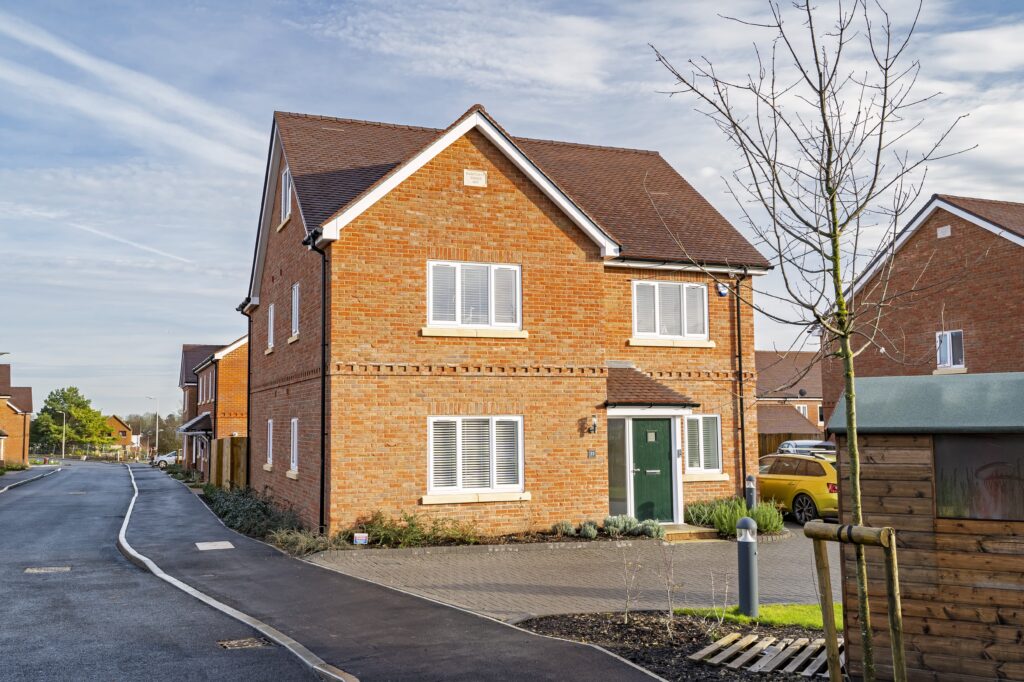
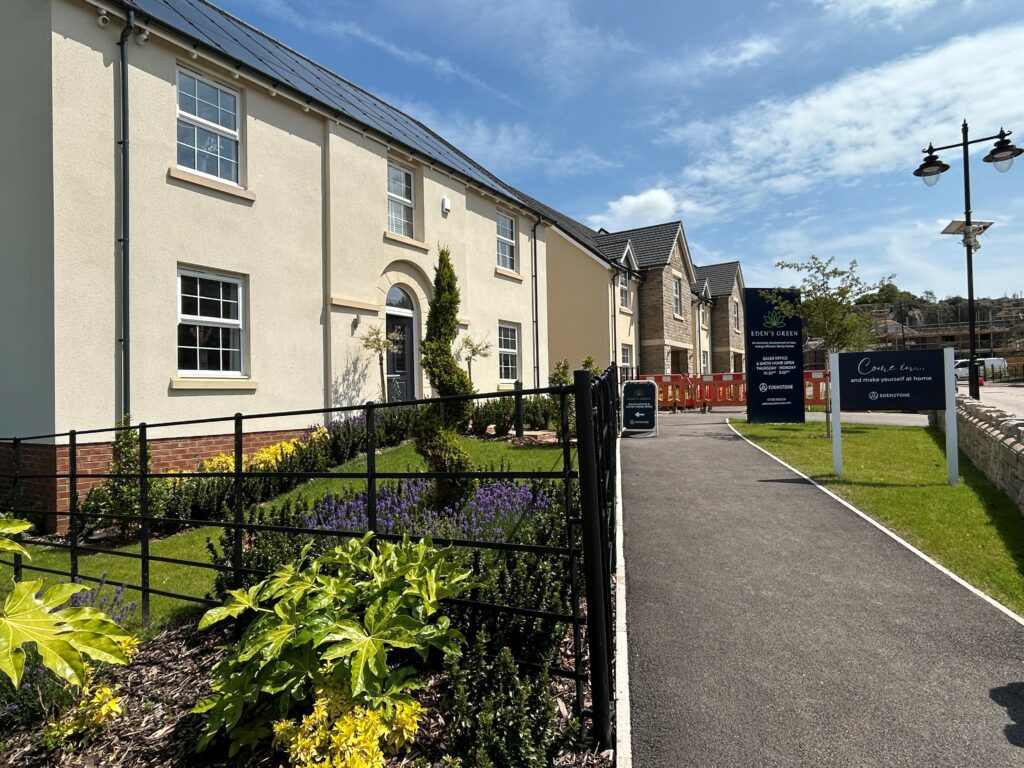
Template Development: Eden’s Green
There is lots of numbers and noise around the Future Homes Standard and how it will impact developers but we cut through all of this mass of information with a live template project that we have actually done and is working in the field. Discover Eden’s Green in the video below:
Research Project: eHome2 for the Future Homes Standard
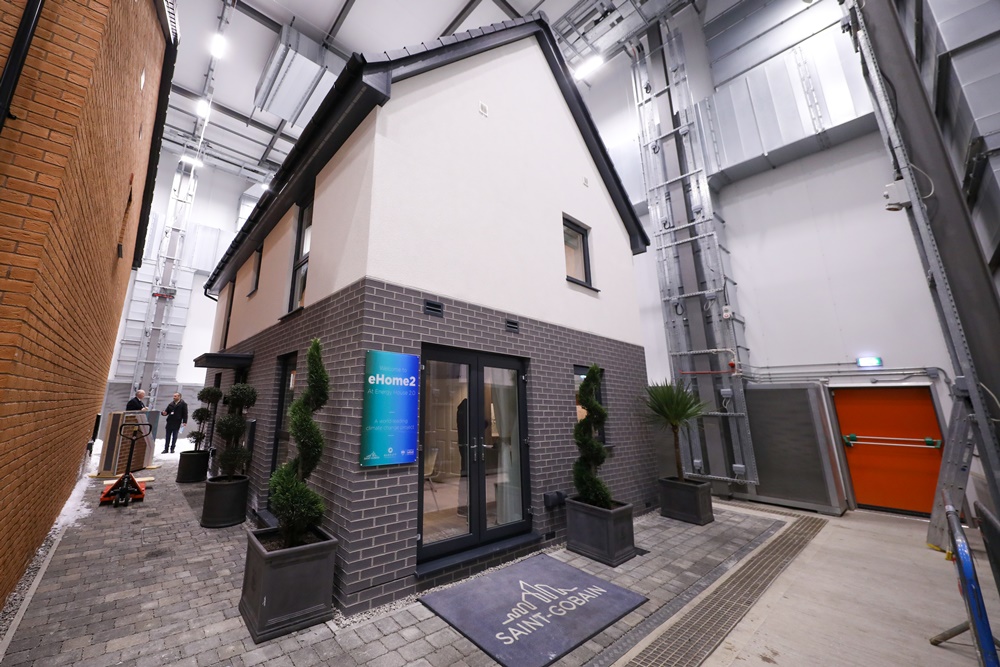
eHome2 is a collaboration between Saint-Gobain UK & Ireland and Barratt Developments. It is a three-bed detached house built inside of the University of Salford’s big climatic chamber called Energy House 2.0. The research project tested building solutions for the Future Homes Standard and accelerate those involved towards producing low-carbon and net-zero housing. LOXONE is one of the solutions that was crucial in this testing and plays a key role as the home automation system, automating all of our own devices as well as third-party ones. Plus, the LOXONE system was used by the university’s research team to conduct the actual study. Discover more about the eHome2 project in the video below:
LOXONE Partner: Zmart Hohm
Stakeholders: Saint Gobain, Barratt Developments and the University of Salford
📍 Salford, UK

Government department for Energy Security & Net Zero’s ETL Listing:
The LOXONE Miniserver, Miniserver Go and Miniserver Compact are listed on the Department for Energy Security & Net Zero’s Energy Technology List (ETL) under the Building Energy Management System category. This government-backed recognition confirms that LOXONE has met the ETL’s strict requirements for energy efficient building management systems, giving developers, housebuilders and specifiers added confidence in the reliability and performance of the technology. As the Future Homes Standard raises expectations around energy efficiency, low-carbon heating and smarter building operation, LOXONE provides one integrated platform for energy monitoring and intelligent automation – helping homes respond automatically to real conditions, reduce unnecessary energy use and support long-term performance through one unified controls platform.
If you have any questions or have a project to discuss contact us below: