A Building That
Runs Itself.
Because keeping your business growing is work enough.
It’s More Than Automation.
It’s Fewer Problems.
Every Single Day.
Modern buildings need to run efficiently, adapt quickly and create an environment where people can work productively whilst feeling comfortable.
But rising energy costs, increasing complexity and higher expectations make that harder than ever.

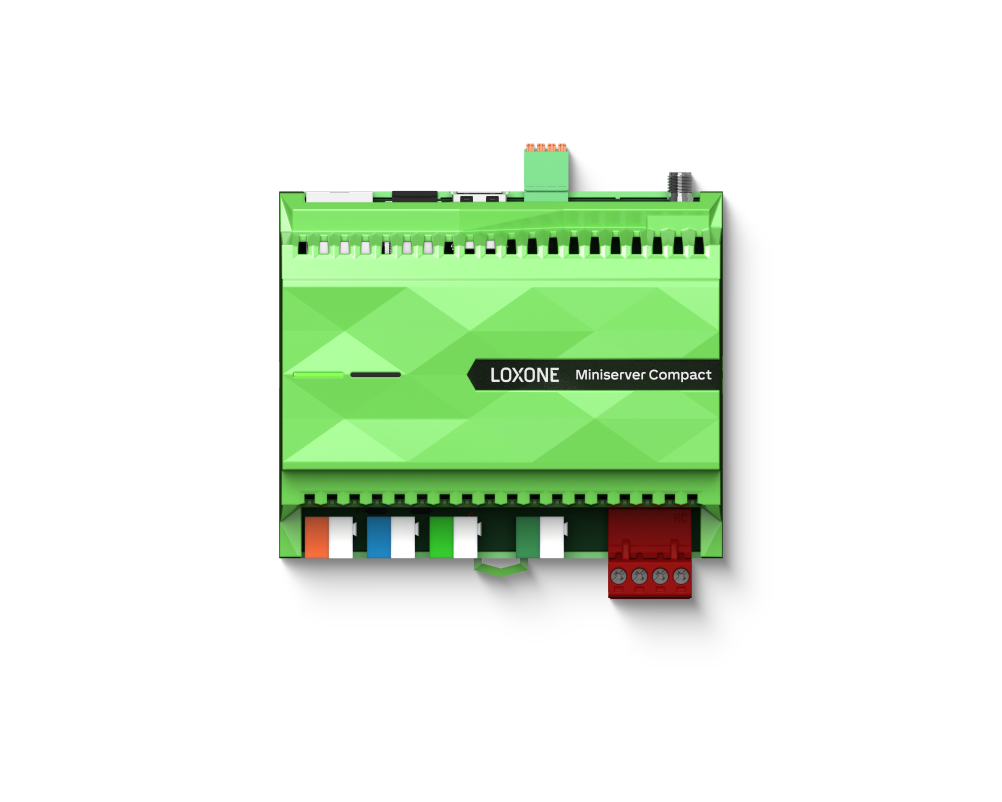
Building automation takes that complexity off your hands. It ensures processes work together automatically, energy is used efficiently and operations run smoothly – without constant manual intervention.
Where Building Automation Makes an Impact
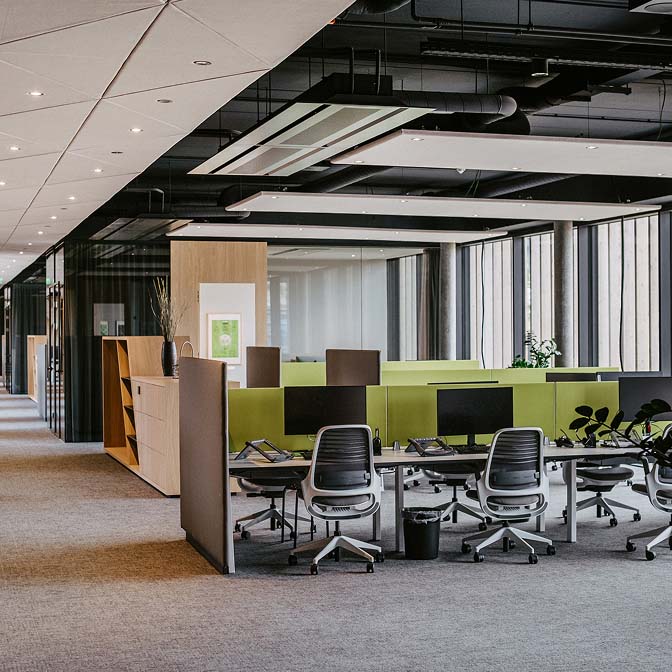
Office & Business Premises
Room climate, lighting and energy adjust automatically – so people can work productively and operations run reliably without constant intervention.
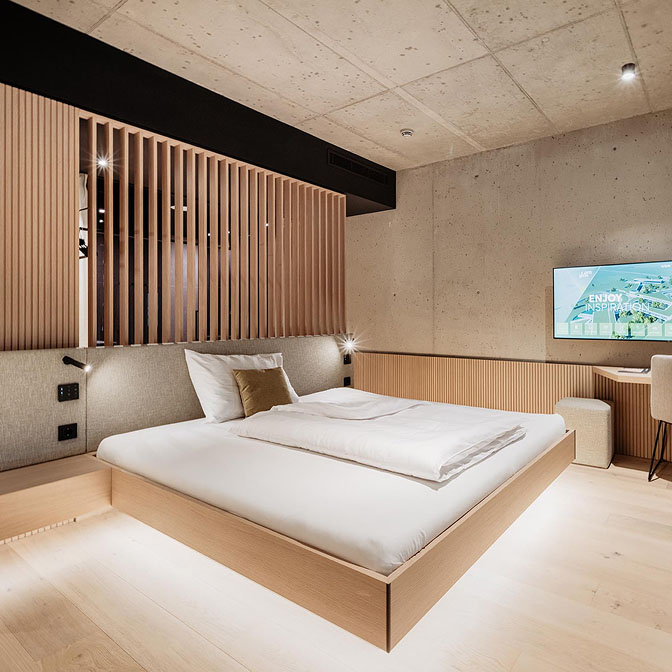
Hospitality
Building automation keeps operations efficient – so you can focus on what really matters: your guests, their experience and your service.
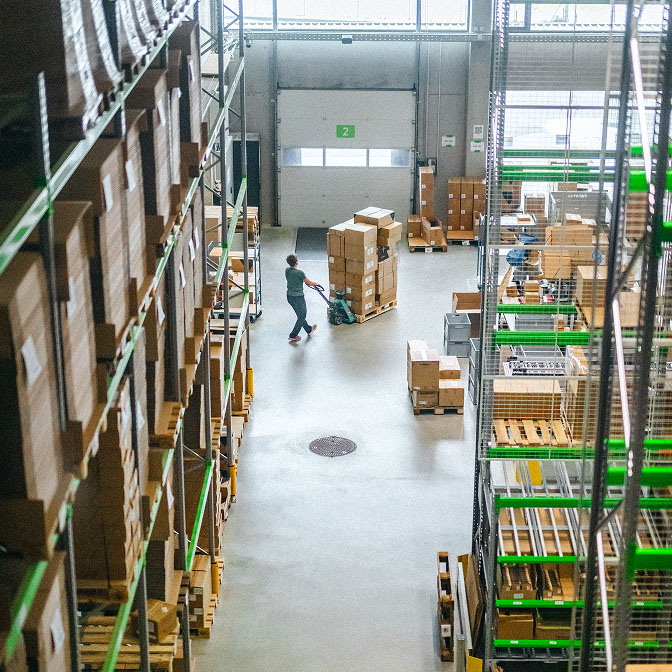
Production & Logistics
Automated processes ensure predictable consumption, controlled loads and reliable operations – without manual intervention, even with changing demand.
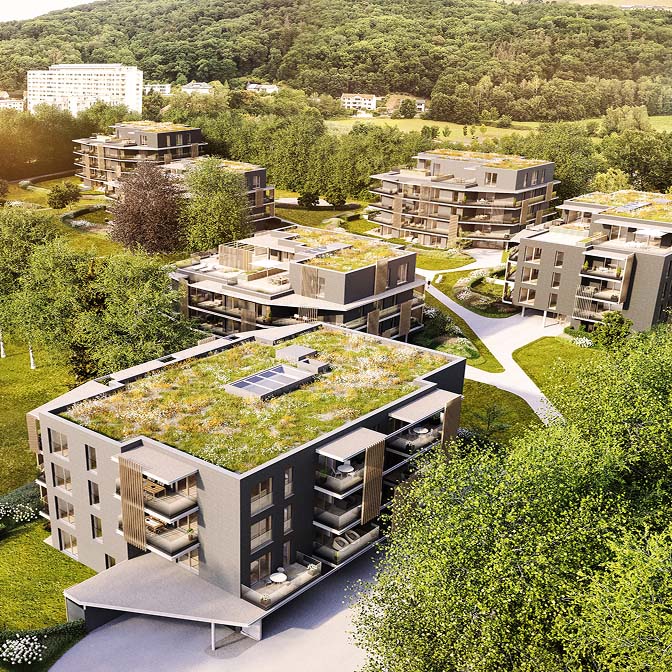
Residential & Developments
Building automation creates stable operating costs, reduces manual effort and delivers living environments that adapt to people’s needs.
One System That Thinks Ahead.
And Links Everything Up.
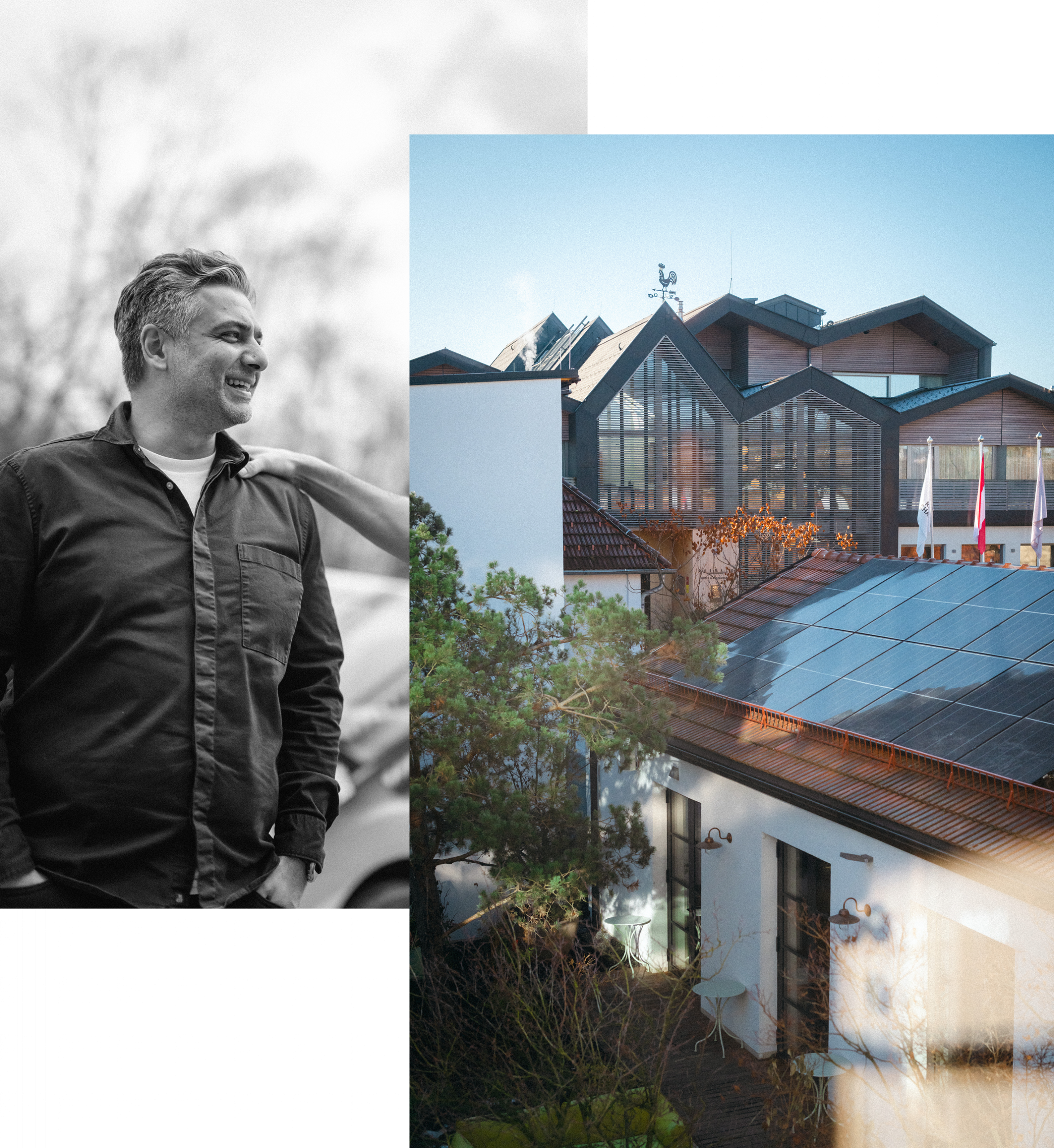
From energy to climate, lighting to security – everything works together.
For operations that just simply run.
For Everyone Who Designs, Manages and Uses Buildings
Residential Users
Residential Users
You can focus on what matters – without worrying about the likes of temperature or lighting.
Your building takes care of providing a comfortable environment in the background, so everything just works.
No setup. No daily decisions.
Commercial Users
Commercial Users
Day-to-day operations depend on stable processes.
Building automation enables predictable consumption, reduces coordination effort and creates transparency.
So your building runs reliably – and efficiently.
Architects
Architects
You design spaces – not technical systems.
Building automation integrates into your concept, supports how the building is used and stays discreetly in the background.
So you can create architecture that works – without visible technology.
Investors
Investors
Buildings need to remain economically viable long term.
Building automation optimises energy use, stabilises operating costs and strengthens both returns and long-term value.
M&E Designers
M&E Designers
Complex projects require clear structures and well-thought-out concepts.
A unified system reduces interfaces and ensures planning reliability – from design through implementation to ongoing operation.
Electricians
Electricians
Implementation requires clarity.
A consistent system with fewer interfaces simplifies installation and commissioning– while remaining flexible through open standards.
The result: projects that are not only cleanly executed, but reliable and easy to maintain long term.
The smart integration of lighting, shading, energy management and more delivers real, measurable value.
Especially with large-scale projects like this, intelligent shading and heating help save a significant amount of energy – and costs – every single day.
We’ve been working with LOXONE for over 10 years – and it’s still the most attractive system for us.
What stands out most is its simplicity – especially for planners and installers, but also for users who can make their own adjustments without needing to call a professional.
In my opinion, Loxone is the only provider that truly understands what real integration means:
connecting information in an intelligent way – and incorporating data from external sources.
ff
What Building Automation Makes Possible

Increase Efficiency
Energy is used where it matters, consumption is optimised and operating costs are reduced.

Stabilise Operations
Automated processes reduce manual intervention – minimising errors and ensuring consistent performance.

Increase Security
Access is controlled, technical systems are monitored and critical events are detected early.

Create Transparency
Energy flows and operational data are always visible – so you stay in control at all times.

Increase Comfort
Your building supports people in everyday life – without getting in the way.
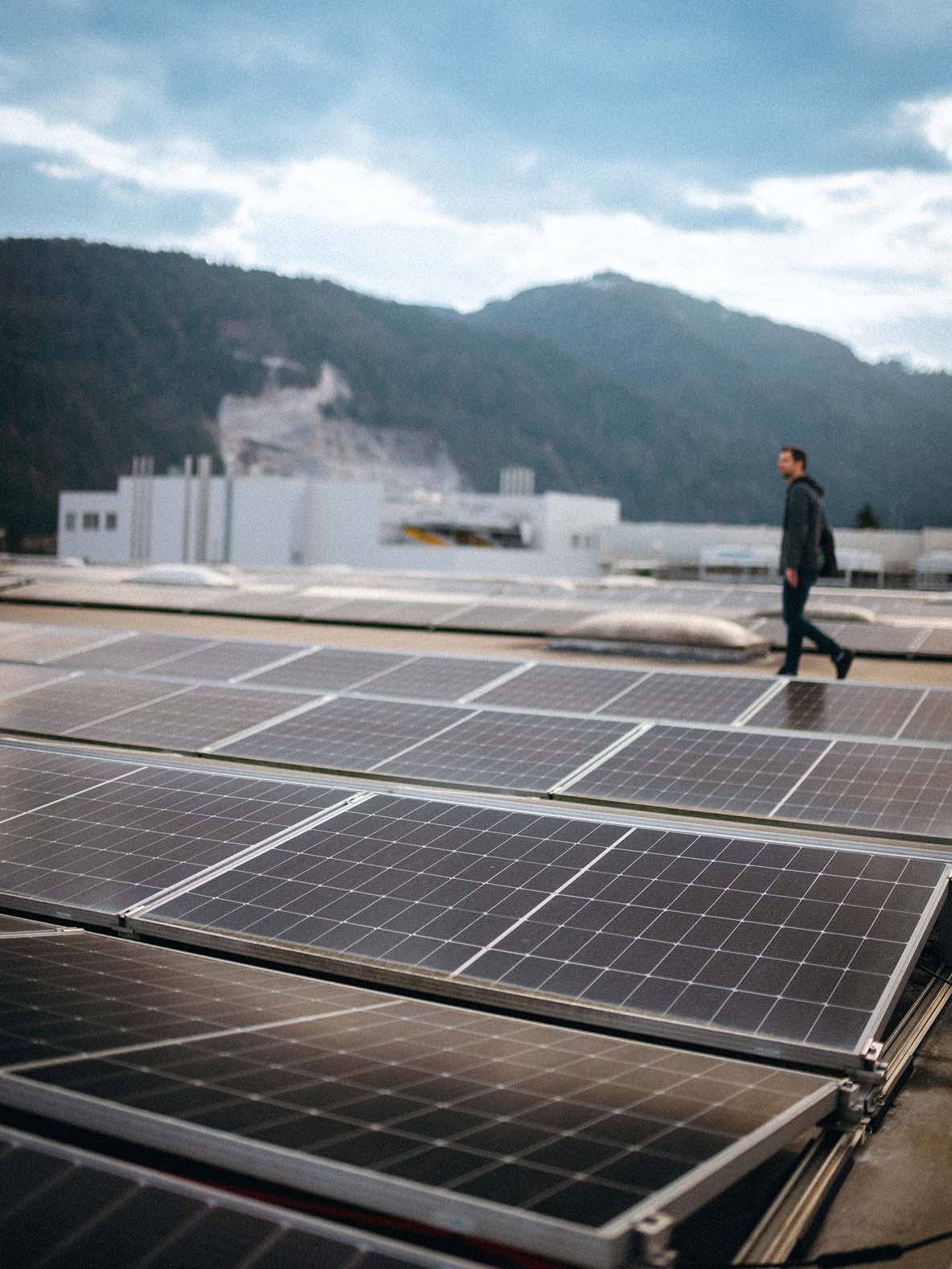
One System.
Maximum Flexibility.
With LOXONE, your building stays flexible. Existing systems can continue to be used, and new requirements can be added with ease.
The result is a solution that fits today – and adapts to what comes next tomorrow.
Learn more
A look at a practical application: automated branch operations.
Real Projects. Real Building Automation.
SPAR
Commercial
AT
Loxone Campus
Hospitality
SK
McDonald’s
Hospitality
At
Träumeland
Commercial
De
Audi Charging Hub
Special Application
FAQs
The first one remains empty if 1. FAQs is closed.
Your content goes here. Edit or remove this text inline or in the module Content settings. You can also style every aspect of this content in the module Design settings and even apply custom CSS to this text in the module Advanced settings.
What is building automation?
Building automation refers to the automated control and integration of technical systems within a building. This includes lighting, shading, heating, cooling, access control, and energy management. The goal is to optimise processes, use energy efficiently, and reduce operating costs.
What is the difference between building automation and a building management systems (BMS)?
A building management systems (BMS) mainly focuses on monitoring and visualising technical systems. Modern building automation goes further: it actively automates processes and intelligently connects systems – for a fully integrated smart building.
Is building automation only useful for large commercial projects?
No. Building automation is suitable for projects of any size. From smaller commercial units to office buildings, hotels, industrial facilities, or residential developments – any project can benefit. Thanks to its scalable architecture, the system adapts to different requirements.
How does building automation help to reduce operating costs?
By automating lighting, climate control, and energy flows, unnecessary consumption is reduced. Load management and intelligent energy management help to avoid peak loads and optimise self-consumption.
Can existing building technology be integrated?
Yes. Thanks to supported standards and integration options, existing systems such as BMS components, KNX devices, or IP-based systems can be integrated into the automation setup.
Let’s Talk About Your Project.
Whether it’s a home, office, or hotel – we’ll help you find the right solution.
Free of charge. No obligation. Fast.
"*" indicates required fields